


 EN
EN  BN
BN 
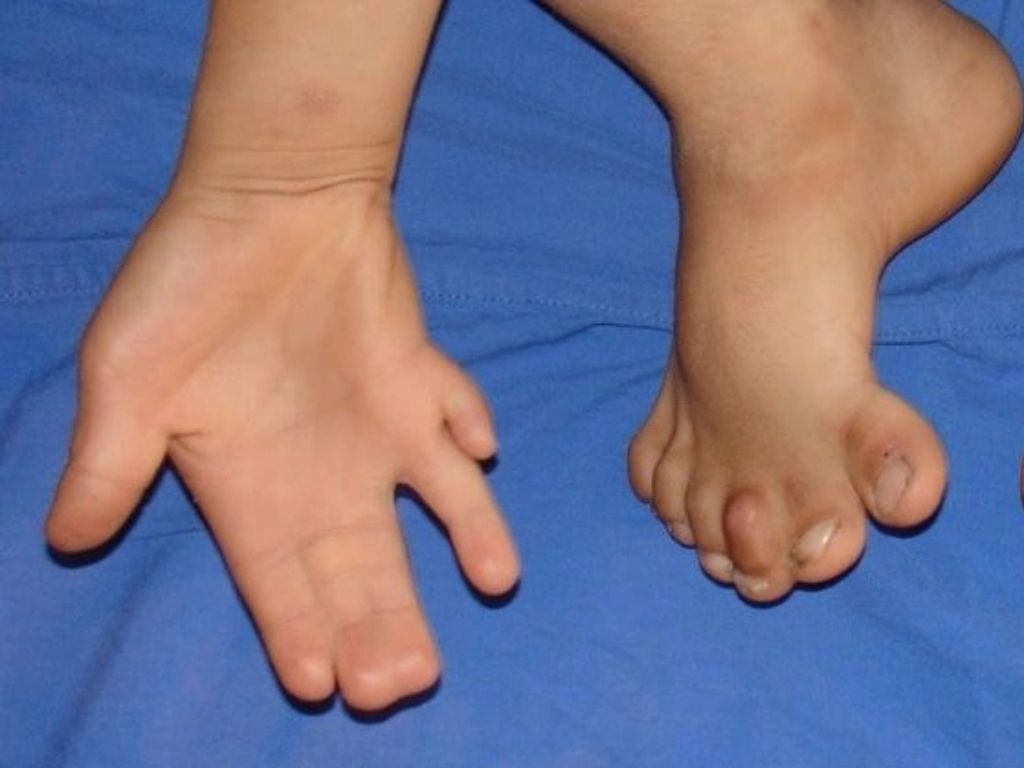
Polydactyly & Syndactyly
What are Polydactyly and Syndactyly?
Polydactyly and syndactyly are congenital (birth-related) conditions affecting the fingers or toes.
Polydactyly means having extra fingers or toes
Syndactyly means two or more fingers or toes are joined together
Both conditions are present at birth.
Why do these conditions occur?
These conditions usually happen during pregnancy when the hands or feet don’t develop normally. They may be genetic or occur without any clear family history.
What problems can Polydactyly or Syndactyly cause?
- Difficulty using hands or walking properly
- Problems with grip or fine movements
- Concerns about appearance and confidence
- Trouble wearing shoes or using tools (in toe cases)
How are Polydactyly & Syndactyly treated?
Treatment is mainly done through surgery.
In polydactyly, the extra finger or toe is safely removed
In syndactyly, the joined fingers or toes are separated
Surgery helps improve function as well as appearance.
When is the best time for surgery?
Surgery is usually done in early childhood so that normal growth, movement, and development are not affected. The exact timing depends on the child’s condition.
Is the surgery safe?
Yes. With experienced plastic surgeons and modern techniques, these surgeries are very safe and have excellent results.
Will the child be able to live a normal life after treatment?
Yes. After proper treatment and follow-up care, children can use their hands and feet normally and grow up with confidence.
In short
Polydactyly and syndactyly are treatable conditions. Early surgical care helps ensure better movement, appearance, and a normal, healthy life.