
Hair Transplant

Hair loss is a common problem that affects millions of men and women worldwide. From genetics to lifestyle choices, there are many factors that can lead to thinning hair or baldness. For many, this is not just a cosmetic issue—it impacts self-esteem, confidence, and even mental health. One of the most effective long-term solutions available today is a hair transplant. In this article, we’ll dive deep into what a hair transplant is, how it works, the different techniques, benefits, costs, risks, and aftercare tips.

What Is a Hair Transplant

A hair transplant is a surgical procedure that involves moving hair follicles from one part of the body (called the donor site, usually the back of the scalp) to the thinning or bald areas (the recipient site). This treatment offers a permanent and natural-looking solution for people suffering from pattern baldness, receding hairlines, or hair thinning due to trauma or medical conditions.

Why Do People Need Hair Transplant
  • Genetics – Male and female pattern baldness is the most common cause of hair loss.

  • Hormonal changes – Conditions like PCOS, thyroid issues, or pregnancy can trigger hair thinning.

  • Stress and lifestyle – Poor diet, lack of sleep, and stress contribute to hair fall.

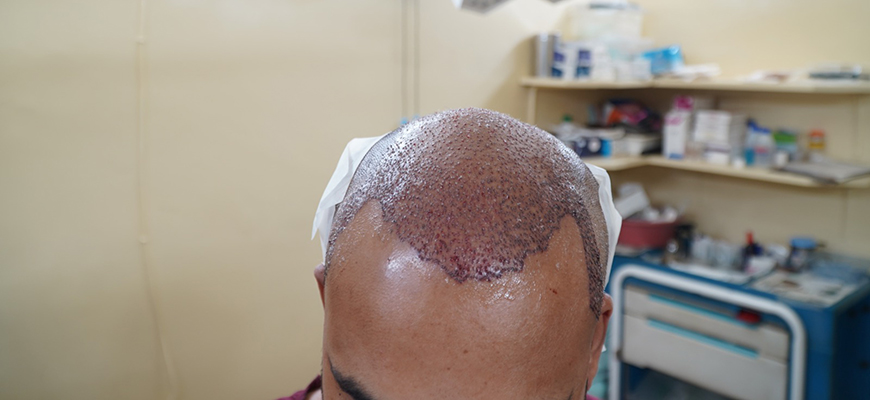
After
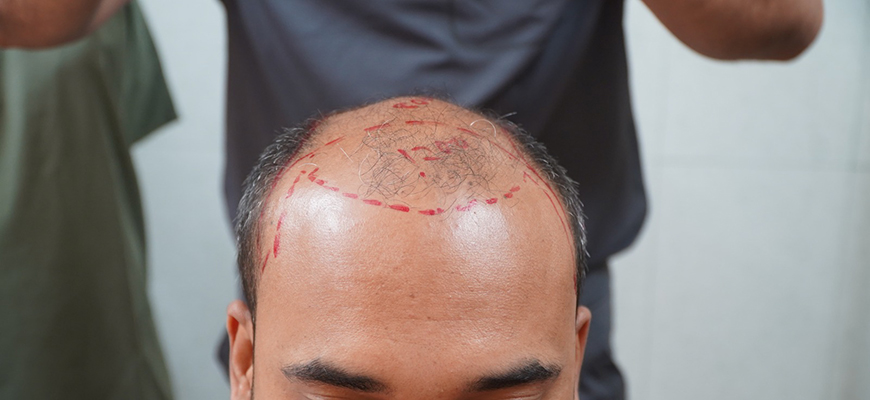
Before
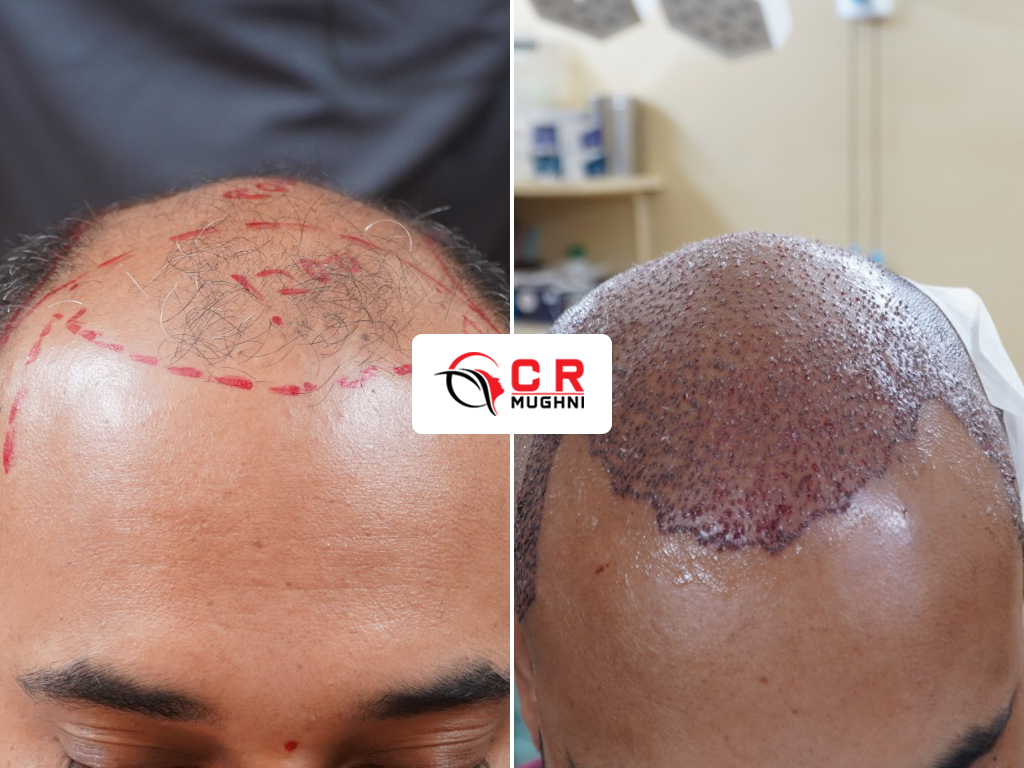
Before After
Benefits of Hair Transplants
  • Permanent results – Once the transplanted follicles take root, they grow naturally.

  • Natural appearance – Skilled surgeons design the hairline to look natural.

  • Low maintenance – Transplanted hair can be washed, cut, and styled like normal hair.

  • Boosts confidence – Restores self-esteem and improves overall quality of life.

Risks and Side Effects

Although hair transplants are generally safe, some risks include:

  • Minor bleeding or swelling

  • Temporary shedding of transplanted hair (shock loss)

  • Infection (rare if proper hygiene is maintained)

  • Scarring, especially with FUT

Frequently Asked Questions

Our logistics business specializes in providing reliable and efficient ocean freight services to meet all your shipping needs. Whether you require fulls container loads or less than container loads, we have the expertise to handle your cargo with care.

* Men or women with permanent hair loss (male pattern baldness, thinning hair).
* People who have lost hair due to injury or surgery.
* Anyone with enough healthy donor hair on the back/side of the scalp.

1. FUT (Follicular Unit Transplantation) – A strip of scalp is removed and divided into grafts.
2. FUE (Follicular Unit Extraction) – Individual hair follicles are directly extracted and implanted.
Both methods are safe; the choice depends on your condition and doctor’s advice.

No. It’s done under local anesthesia, so you won’t feel pain during the surgery. Mild soreness may occur afterward, but it usually goes away within a few days.

* You can go home the same day.
* Most people return to work within 2–5 days.
* New hair starts growing after 3–4 months, with full results in 9–12 months.

Yes. The transplanted hair comes from areas that are naturally resistant to baldness, so it keeps growing for a lifetime.

The cost depends on the technique (FUE/FUT), the number of grafts needed, and the clinic. It’s best to consult directly for an exact estimate.

Hair transplant is not just about moving hair — it’s about natural-looking design, safety, and long-term results. A qualified surgeon ensures you get the best outcome.

In short: A hair transplant is a safe, permanent, and effective way to restore your natural hair and confidence.